
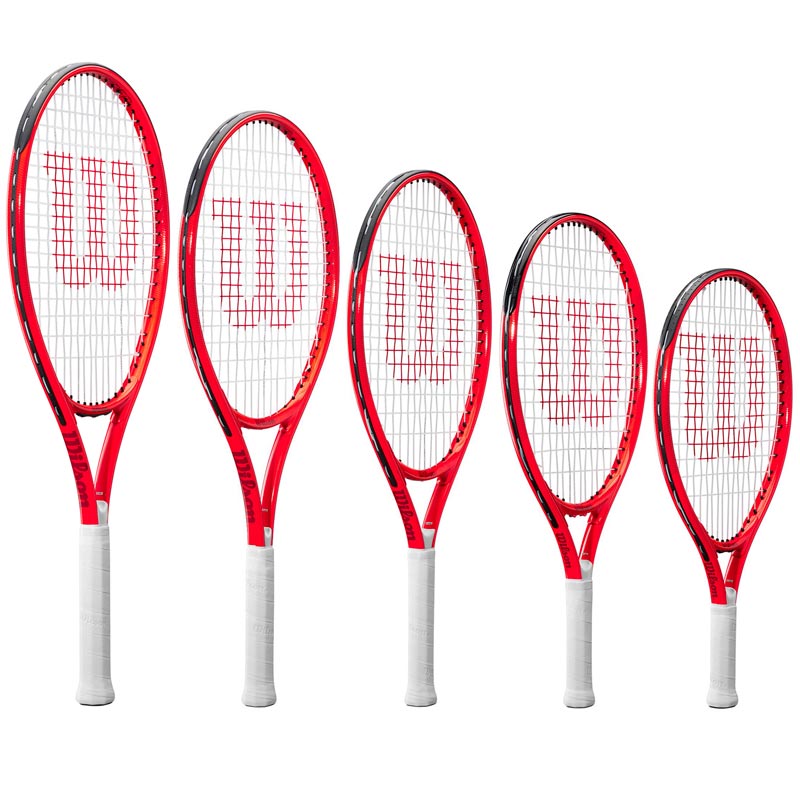

Selecting the right tennis racquet for junior players is key to ensuring they develop proper technique and enjoy their time on the court. The size, weight, and grip of a racquet can significantly impact a child’s ability to control their strokes and avoid injury. As children grow and their skills improve, it’s important to match them with a racquet that suits their age, size, and playing level.
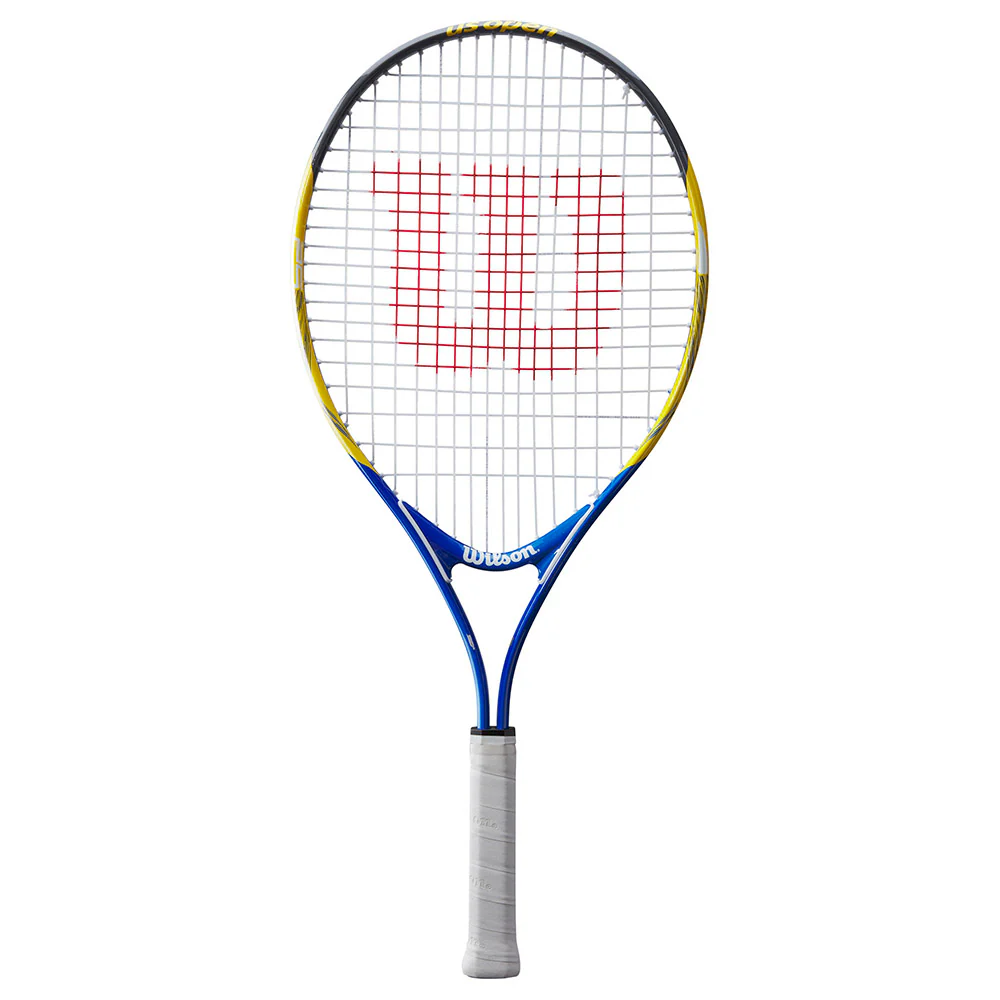
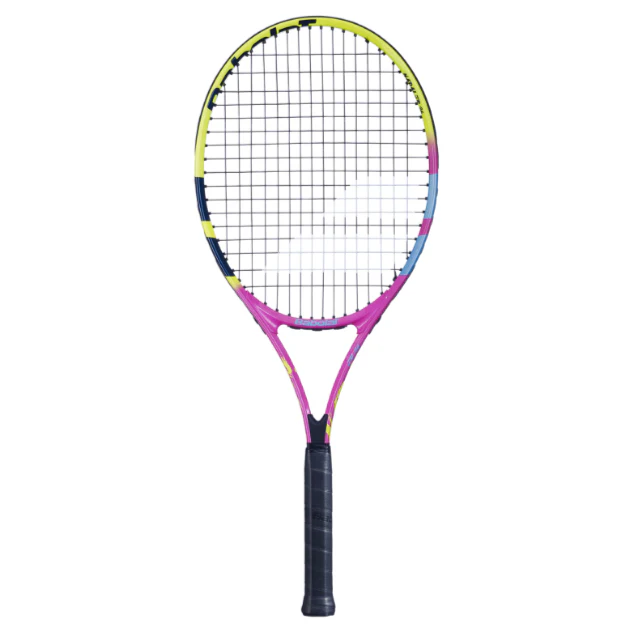
A well-fitted racquet helps kids build good habits and boosts their confidence as they master the game. Let’s break down the factors to consider when choosing the perfect racquet for your child.
1. Racquet Length
Junior tennis racquets come in various lengths to accommodate children of different ages and heights. For kids under 8, a 19" to 23" racquet is ideal. As they grow, players aged 9-10 will benefit from a 23" to 25" racquet. By the time they’re 11 or older, most players can transition to a 26" or full-sized 27" racquet. Choosing the correct length allows for better control, helping kids swing the racquet with ease and confidence.
2. Weight of the Racquet A lightweight racquet is important for younger players, as it allows them to handle the racquet more easily and swing without straining their arms. Junior racquets are designed to be lighter than adult versions, enabling kids to focus on developing proper form rather than struggling with heavy equipment. As children grow stronger, they can gradually move to heavier racquets that match their growing abilities.
3. Grip Size Getting the right grip size is essential for comfort and control. A grip that’s too big or small can lead to improper strokes or even injury. To find the right grip size for your child, have them hold the racquet—there should be about a finger’s width of space between their fingers and palm when gripping it. This ensures that they can hold the racquet firmly while maintaining flexibility in their wrist for better shot-making.
4. String Tension The tension of the racquet strings affects how much power or control a player has when hitting the ball. Lower string tension provides more power, while higher tension gives better control. For beginners, a racquet with lower tension is usually recommended, as it allows for easier hitting and a more forgiving experience. As your child’s game improves, you can adjust the string tension to match their style of play.
Why Choosing the Right Racquet Matters
Using the correct racquet helps young players build confidence, improves their technique, and reduces the risk of injury. A well-fitted racquet makes learning tennis more enjoyable, as children can focus on their strokes and positioning rather than struggling with equipment. By selecting a racquet suited to your child’s age, size, and skill level, you’re setting them up for success on the court.